
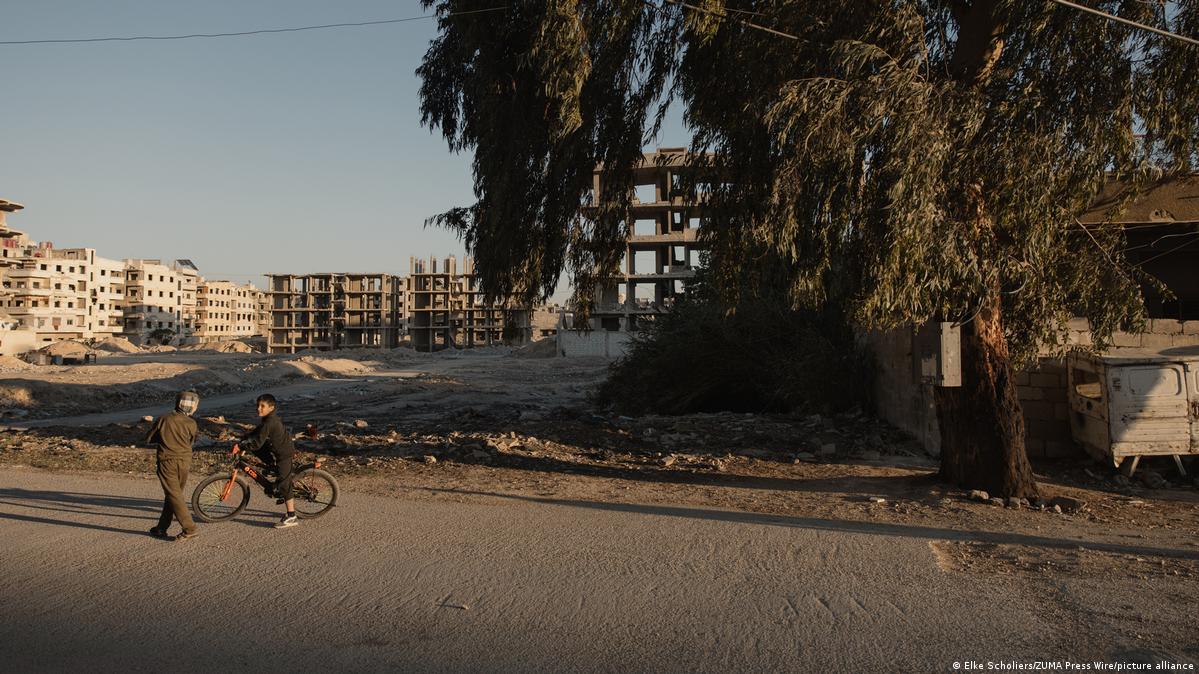
In the intricate landscape of international relations, guidance on Syria sanctions has become a vital topic for governments, businesses, and NGOs alike. The imposition of sanctions on Syria results from a myriad of political, social, and humanitarian considerations that seek to address the ongoing conflict and promote peace and stability in the region.
The Origins of Syria Sanctions
The sanctions targeting Syria have burgeoned in response to a variety of actions by the Syrian government, particularly its conduct during the civil war that began in 2011. These measures aim to hold the regime accountable for grave human rights violations, promote regional stability, and protect global security interests. Various countries and international bodies have implemented sanctions, including the United States, the European Union, and the United Nations, each with their own sets of restrictive measures.

Types of Sanctions Imposed on Syria
Syria sanctions can be broadly classified into several categories:
- Economic Sanctions: These may include trade restrictions, asset freezes, and prohibitions on investment and financial transactions with certain designated individuals and entities.
- Military Sanctions: Prohibitions on the sale or supply of weapons and military equipment to the Syrian government and affiliated forces are imposed to limit their capacity for conflict.
- Visa Restrictions: Certain government officials, military leaders, and individuals associated with human rights violations may face travel bans or restrictions.
- Sectoral Sanctions: Specific sectors of the Syrian economy, such as oil and gas, may be targeted to restrict access to crucial economic resources.
Compliance with Syria Sanctions
Businesses and individuals engaging with Syria must be acutely aware of compliance obligations. Non-compliance can lead to significant legal penalties, including fines and imprisonment. To navigate these challenges effectively, the following steps may be beneficial:
- Conduct Due Diligence: Comprehensive research into any potential business partners or transactions involving Syria is essential. This includes understanding the ownership structures and ensuring that no sanctioned entities or individuals are involved.
- Implement Compliance Programs: Organizations should develop robust internal compliance programs tailored to the risks associated with their operations relating to Syria. This may involve training staff, establishing oversight mechanisms, and routinely reviewing compliance protocols.
- Engage with Legal Experts: Consulting with legal professionals specializing in sanctions law can provide invaluable insights and help organizations remain compliant with any evolving regulations.
Challenges and Risks
Operating in an environment influenced by sanctions poses several challenges and risks. The dynamic nature of international relations means that sanctions may be enacted or lifted rapidly, creating uncertainty. Additionally, there can be unintended consequences, such as humanitarian impacts affecting civilians, which can complicate compliance efforts while navigating ethical considerations.
The Humanitarian Aspect of Syria Sanctions
While the primary goal of sanctions is often to pressure an adversarial regime, there is a critical humanitarian aspect to consider. Sanctions can inadvertently affect the civilian population, leading to shortages in essential goods, medical supplies, and overall economic stability. To address these concerns, many sanctions frameworks incorporate humanitarian exceptions that allow for the flow of aid and essential services. It is crucial for organizations engaged in humanitarian efforts to understand these exceptions and ensure compliance while delivering aid to those in need.
Recent Developments and Future Outlook
As of 2023, the political and military landscape in Syria continues to evolve, which may affect the scope and implementation of sanctions. Ongoing diplomatic efforts, shifts in alliances, and humanitarian crises require constant reassessment and potential modification of existing sanctions policies. Stakeholders must stay informed about changes and be prepared to adapt their compliance strategies accordingly.
Conclusion
In conclusion, navigating Syria sanctions is a complex endeavor that requires diligence, awareness, and proactive management. By understanding the origins and types of sanctions, implementing robust compliance measures, and remaining attuned to the humanitarian implications, businesses and indi

viduals can effectively navigate this challenging landscape. As the situation in Syria continues to develop, staying informed and adaptable will be crucial for maintaining compliance and contributing positively to the region’s peace and stability.