
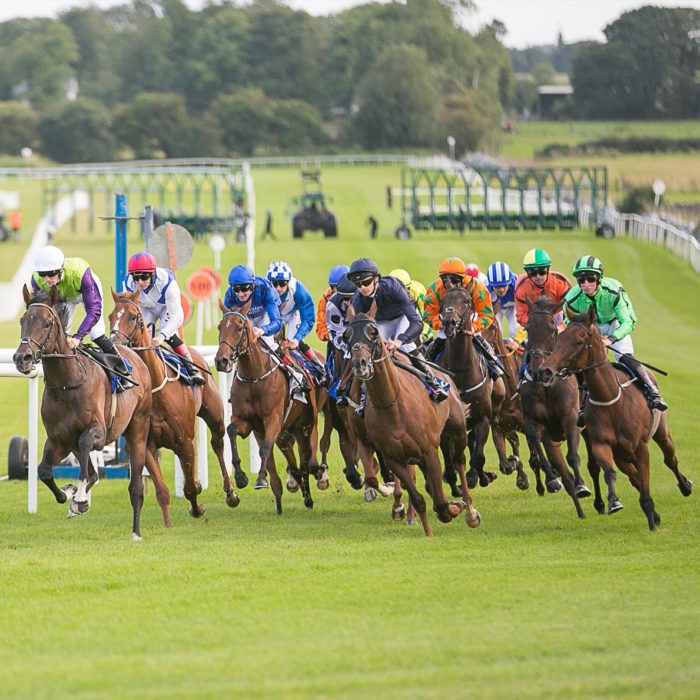
British horse racing has long been regarded as one of the most prestigious and traditional sports in the country. However, in recent years, it has faced a myriad of challenges that have led to a decline in popularity and attendance. This article will explore the factors contributing to this decline, the implications for the sport, and the potential solutions that could help revive British horse racing. It is crucial for stakeholders, enthusiasts, and new bettors to rethink the landscape of British horse racing not on GamStop horse betting not on GamStop as they consider their engagement in the sport.
Horse racing in the UK has a rich history that dates back centuries, famous for its iconic events such as the Aintree Grand National and the Epsom Derby. These events have not only showcased the incredible talent of both horses and jockeys but have also attracted substantial crowds and betting activity. However, the contemporary landscape of British horse racing is drastically different from what it once was. Several factors have contributed to this decline, ranging from economic challenges, competition with other forms of entertainment, and changing betting preferences.

Economic Challenges
The economic downturn and the subsequent impact on disposable income have significantly altered the way people engage with traditional activities, including horse racing. As people tighten their belts during tough financial times, discretionary spending on attending horse races, betting on outcomes, or even purchasing merchandise has decreased dramatically. Many racecourses have reported dwindling attendance, and as a result, revenues have also dropped, leading to financial instability within the sport.
Moreover, the funding distribution within the racing industry has been under scrutiny for years. Oftentimes, the revenues generated from betting do not adequately support the racing infrastructure, leading to further deterioration of facilities and a drop in quality. The perception of horse racing as an elitist activity may deter potential fans and newcomers who feel unwelcome or intimidated by the sport’s traditions.
Competition with Other Entertainment Forms
With the rise of online gaming and betting platforms, traditional horse racing has been overshadowed by a plethora of entertainment options. The convenience of online betting allows enthusiasts to wager on various sports, casino games, and even virtual racing, which are often viewed as more accessible and user-friendly than attending a physical horse racing event. This shift in consumer behavior poses a significant challenge for the horse racing industry, requiring a strategic response to appeal to a more tech-savvy audience.
Additionally, the rapid growth of esports and other modern sports has shifted the focus of younger audiences away from traditional sports such as horse racing. For racing to remain relevant, it needs to innovate and adapt to the interests of new generations.
Changing Betting Preferences
As mentioned earlier, the landscape of gambling has shifted significantly with the advent of online betting platforms. Gamblers today prefer real-time betting, offe

ring immediate gratification – a feature that many traditional horse racing events struggle to incorporate effectively. The rise of in-play betting signifies a change in the way bettors engage with sports, and horse racing has not kept pace with these new developments.
This shift in preferences has wider implications for the sport and highlights the urgent need for innovation in how races are marketed and experienced. To attract both new and seasoned bettors, horse racing must embrace digital transformation and rethink its branding strategy to resonate with modern audiences.
The Road Ahead: Potential Solutions
Despite these challenges, there are numerous steps that the British horse racing industry can take to reverse the trend of decline. First and foremost, racecourses must work on enhancing the overall experience for attendees. This includes not only upgrades to facilities but also incorporating technology to create a more interactive environment for spectators, such as live streaming events on mobile devices or engaging them through social media platforms.
Moreover, the industry should focus on solutions that appeal to younger audiences and encourage social interactions. This could involve hosting music festivals, food fairs, and family-friendly activities alongside racing events, ensuring that horse racing becomes not just a betting event, but also a social occasion.
Another avenue for revival lies in enhancing the educational opportunities surrounding horse racing. Collaborating with schools and universities to promote equestrian programs can cultivate a new generation of horse enthusiasts. Additionally, sponsorships and partnerships with popular brands can invigorate the sport’s image and attract a more diverse audience.
The Role of Online Platforms
Online gaming and betting must also take responsibility for positioning horse racing as a viable option through their platforms. By providing safe and engaging betting experiences, including promotional campaigns that educate bettors about the intricacies of horse racing and various betting strategies, these platforms can revive interest in the sport. Furthermore, the integration of raw statistics, information on horse conditions, and expert predictions could make betting on horse races more appealing and informed.
Moreover, betting firms that are not tied to GamStop can play a pivotal role here by offering exclusive promotions and extensive coverage of horse racing events, thus creating a holistic approach to attract bettors back to racetracks.
Conclusion
British horse racing is at a crossroads as it faces unprecedented challenges in a rapidly changing world. However, by embracing innovation, enhancing the spectator experience, and shifting its marketing strategies, there is potential for the sport to regain its former glory. It is essential for all stakeholders, from racecourses to betting platforms and enthusiasts, to collaborate and advocate for reforms that will safeguard the future of British horse racing.
Ultimately, the sustainability of the sport relies not only on the passion of its existing fans but also on attracting new generations who can appreciate the timeless thrill of horse racing.